Performance
Black and green rice broke down more slowly in lab digestion tests
By Life and Health Today Staff, . Life and Health Today.
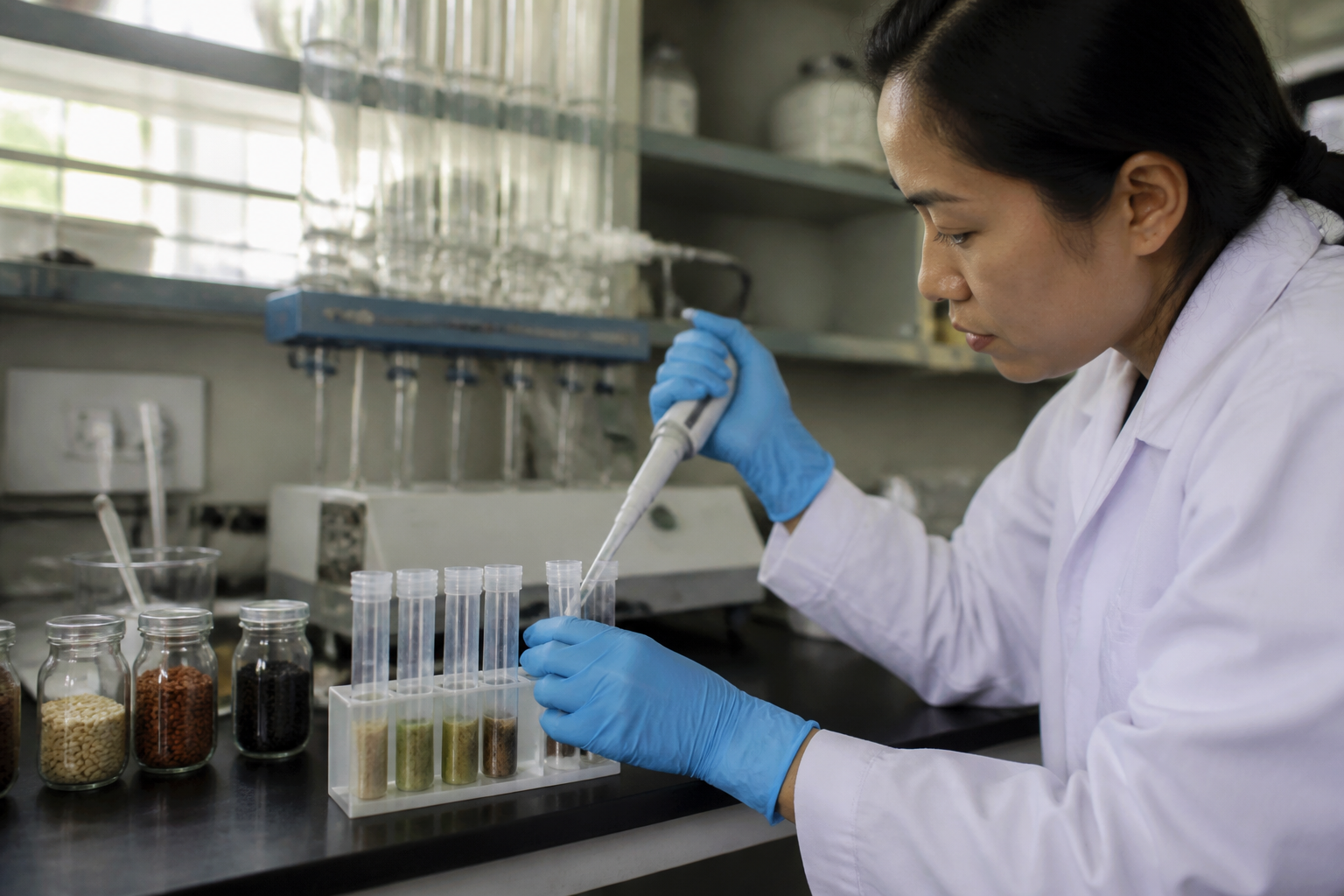
Researchers at Hokkaido University examined the fat content of 56 varieties of japonica rice, the short- to medium-grain type common in Japanese cooking, and found that black and green pigmented varieties contained lipid molecules not previously reported in rice. The findings were published in the journal Food Research International.
Fat makes up roughly 2% of a rice grain, far less than starch, which accounts for more than 85%. Because the fat fraction is so small, it has attracted little scientific attention. The Hokkaido team used liquid chromatography and mass spectrometry, analytical techniques that separate and identify molecules by their chemical properties, to map 196 distinct lipid molecules across five major groups in their rice samples.
Black and green varieties scored higher on the researchers' health-promotion index because of their lipid profiles. Those varieties contained compounds called FAHMFAs, or fatty acid esters of hydroxy medium-chain fatty acids, and LNAPEs, or N-acyl-lysophosphatidylethanolamines. According to the study as reported by ScienceDaily Nutrition, both types of lipid have previously been associated with anti-inflammatory activity and improved metabolic health in certain biological systems. The study is described as the first to detect FAHMFAs in rice.
The team also tested how quickly the starch in cooked rice samples broke down when treated with digestive enzymes in the laboratory, a method intended to approximate what happens during human digestion. Black and green japonica rice produced a slower simulated rise in blood sugar than typical white rice, suggesting their starch is broken down more gradually and glucose would enter the bloodstream more slowly.
What this does not show is whether eating black or green rice produces a meaningfully different blood sugar response in people. The digestion test was conducted in laboratory conditions, not in human participants. The gap between a lab simulation and a clinical outcome in a living person is significant: factors including gut bacteria, meal composition, cooking method, and individual metabolism all affect how food is actually processed. No human trial is described in the reports.
The lipid associations are similarly early-stage. Finding a molecule in a food that has been linked to a biological effect elsewhere is not the same as showing that eating the food produces that effect. Lead author Associate Professor Siddabasave Gowda is quoted by ScienceDaily Nutrition saying the team hopes the findings will support development of new functional rice products to help manage diabetes and other lifestyle-related conditions, which is a research ambition rather than a demonstrated outcome.
The open question is whether the lipid differences and the slower simulated starch breakdown translate into measurable health differences when people actually eat these rice varieties over time. That would require randomised trials in humans, which have not been reported here. The Hokkaido group describes this work as part of a broader effort to identify bioactive lipids in Japanese foods including fish, herbal teas, and seaweeds.
For anyone weighing whether to seek out black or green rice, the honest position is that the laboratory findings are interesting and the biological reasoning is plausible, but no human evidence yet supports a specific health claim. Whether a dietary change of this kind is worth pursuing is a question that belongs with a clinician who knows an individual's full health picture.
Source: https://www.sciencedaily.com/releases/2026/09/260916232523.htm