Regenerative
Personalized mRNA cancer vaccine cuts melanoma recurrence risk by 42% in 1,137-person trial
By Life and Health Today Staff, . Life and Health Today.
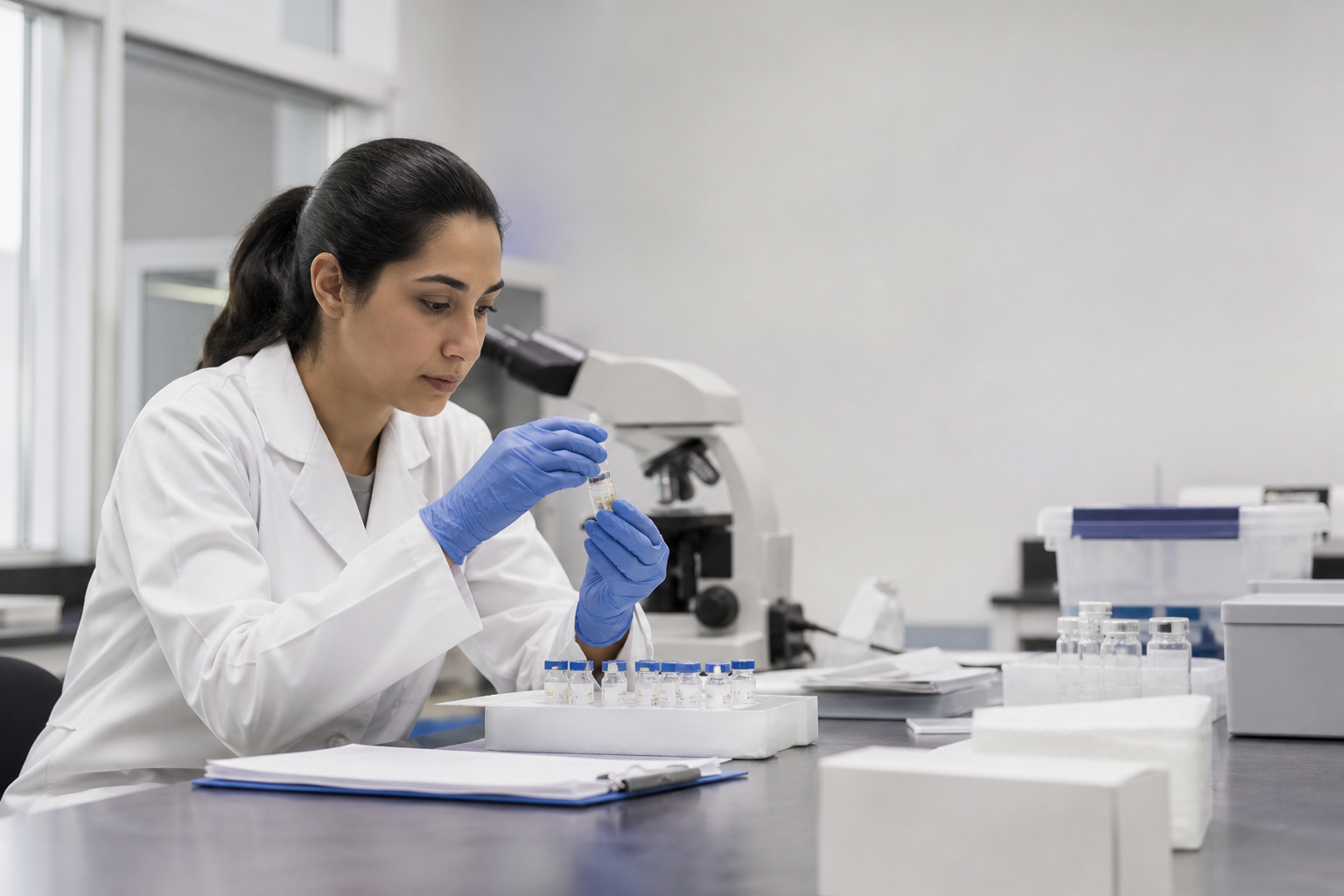
A personalized mRNA vaccine cut the risk of melanoma returning or killing the patient by 42% when added to an existing immunotherapy drug, according to results from a 1,137-person trial presented at the European Society for Medical Oncology annual meeting in Madrid and reported by both Nature and STAT News.
What the vaccine is and how it works
The treatment is called intismeran, made by Merck and Moderna. It belongs to a class sometimes called neoantigen vaccines: therapies built individually for each patient by reading the genetic mutations in their tumor and then manufacturing an mRNA sequence that trains the immune system to recognize and attack cells carrying those mutations. Each course is, in effect, a one-of-a-kind drug.
In the trial, intismeran was combined with Keytruda, Merck's checkpoint inhibitor, a drug that removes a molecular brake the immune system normally applies to itself, allowing it to attack cancer cells more aggressively. The comparison arm received Keytruda alone. The 42% reduction in recurrence or death is a relative figure, meaning the vaccine group experienced 42% fewer such events than the Keytruda-only group, not that 42% of patients were spared. Nature reported the trial enrolled 1,137 people.
Why this result is significant
Vinod Balachandran of Memorial Sloan Kettering Cancer Center described the history of cancer vaccine development, in a lecture at the same conference, as "long and sordid," telling the audience it had amounted to roughly a century of failure. That framing, reported by STAT News, gives the scale of what this result represents: not a refinement of an existing approach but the first pivotal trial to show that a customized mRNA treatment can meaningfully change outcomes for cancer patients.
James Larkin, scientific co-chair of the European Society for Medical Oncology meeting and a clinician at London's Royal Marsden Hospital, said at an opening press conference that "in principle, this type of approach may be applicable to other types of tumors," according to STAT News. That is a hypothesis, not a finding: intismeran has been tested in melanoma, and whether the same platform can be adapted to other cancers remains an open question that further trials would need to answer.
What the data do and do not show
The 42% figure measures recurrence or death relative to the Keytruda-only arm. It does not, on its own, tell a reader how large the absolute difference was between the two groups, how long patients were followed, or what the side-effect profile looked like. Nature noted that the key results were released after data were leaked online on October 22, ahead of the formal presentation. Neither publication, in the portions available for this report, gave the absolute event rates or the confidence interval around the 42% figure; those details matter for understanding how precisely the benefit was measured.
This is a phase 3 trial, the stage designed to test whether a treatment works at scale, which puts it in a different category from the early-phase safety studies that have dominated cancer vaccine news for years. A phase 3 result showing a reduction in recurrence or death is the kind of evidence regulators use to evaluate approval; it is not the same as regulatory approval itself, which Merck and Moderna have not yet received for intismeran.
For anyone weighing what this means for their own situation, the honest answer is that it depends on tumor type, stage, and individual history, and that conversation belongs with an oncologist who knows the specifics. What the Madrid data add is the clearest signal yet that the mRNA vaccine platform, already familiar from its use in infectious disease, can be engineered to fight a patient's own cancer.
Life & Health Today provides information for educational purposes only, not medical advice, diagnosis, or treatment. Always consult a qualified healthcare professional.