Longevity
Pressing on mouse shinbones extended median lifespan by 9.4%, pointing to a bone-based aging pathway
By Life and Health Today Staff, . Life and Health Today.
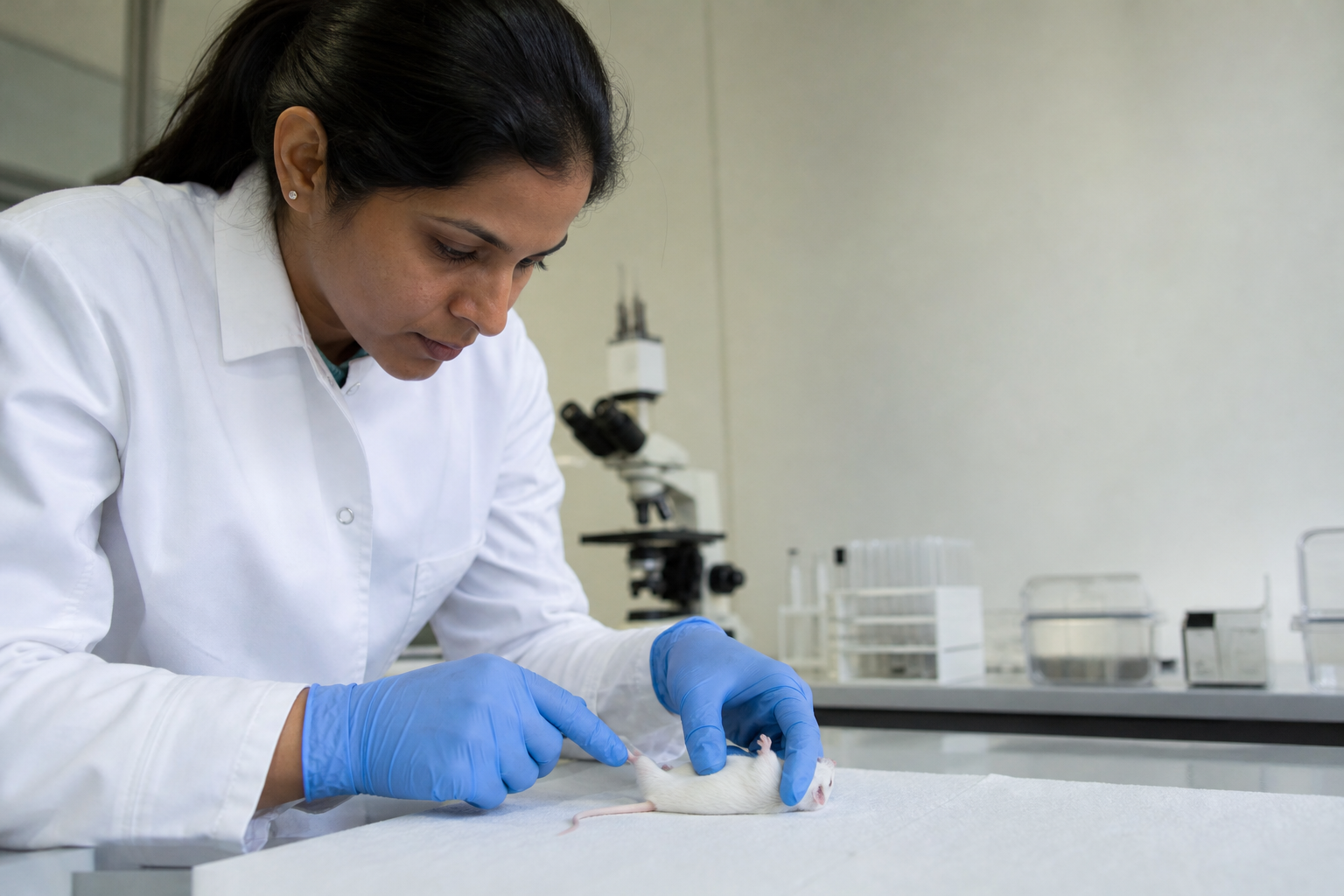
Pressing gently on the shinbones of elderly mice extended their median lifespan by 9.4 percent, or about 80 days, and improved their strength, coordination, memory, and blood sugar regulation, according to a study led by scientists at Southern Medical University in Guangzhou, China, and reported by New Atlas. The findings suggest that bones do more during physical activity than provide structural support: they may release protective proteins into the bloodstream that slow aging across multiple organs.
What the researchers did
The team focused on osteocytes, bone cells that detect mechanical forces, and a pressure-sensitive channel those cells use called PIEZO1. Using a device to apply a small, rhythmic load to the shinbones of anesthetized mice starting at 20 months of age, which is relatively old for a mouse, they found that the treated animals lived longer and showed reduced markers of inflammation and cellular senescence, a process in which aging cells stop dividing but remain in tissue and can cause damage, across several organs. Their bone marrow, which produces blood and immune cells, also shifted toward a more youthful state, according to New Atlas.
The researchers then transferred plasma, the liquid portion of blood, from treated mice to untreated older mice and found that the recipients also showed benefits, suggesting that something circulating in the blood was carrying the effect.
The protein the researchers identified
One candidate messenger was a protein called pigment epithelium-derived factor, or PEDF, which has protective effects in multiple tissues. Bone loading raised circulating PEDF levels in the treated mice, and injecting the protein separately into older mice reduced several signs of aging and improved their cognitive and physical performance, according to New Atlas.
To test what happens when the sensing system fails entirely, the team chemically disabled PIEZO1 in adult mouse osteocytes. Median lifespan fell by roughly 11 percent in females and 13 percent in males, and signs of aging accelerated well beyond the skeleton, affecting the brain, liver, and muscles.
What this does and does not establish
All of these findings are in mice. The study did not test whether bone loading extends human lifespan, and the researchers have not established that PEDF is the essential driver of the treatment's effects. As New Atlas noted, other proteins, immune changes, and signaling pathways could also be responsible. PEDF levels do decline in human blood with age, and the protein appears to protect laboratory-grown human cartilage from experimentally induced damage, but neither observation is evidence that boosting PEDF keeps people younger.
The researchers also acknowledge that rhythmic pressure applied to an anesthetized mouse's shinbone does not reproduce everything that walking, swimming, or strength training does for a human body.
What the study does add is a specific biological mechanism, the PIEZO1 channel in osteocytes triggering the release of circulating protective proteins, that may help explain why physical activity is consistently associated with better health outcomes in older adults. Whether that mechanism can be targeted directly in people, through exercise, a drug, or some other means, is an open question that would require human trials to answer. Anyone weighing what this means for their own activity habits should bring that question to a clinician who knows their history.
Source: https://newatlas.com/fitness/bone-squeezing-extended-lives/
Life & Health Today provides information for educational purposes only, not medical advice, diagnosis, or treatment. Always consult a qualified healthcare professional.