Longevity
Bat DNA study links long lifespan to aggressive cell death, not repair
By Life and Health Today Staff, . Life and Health Today.
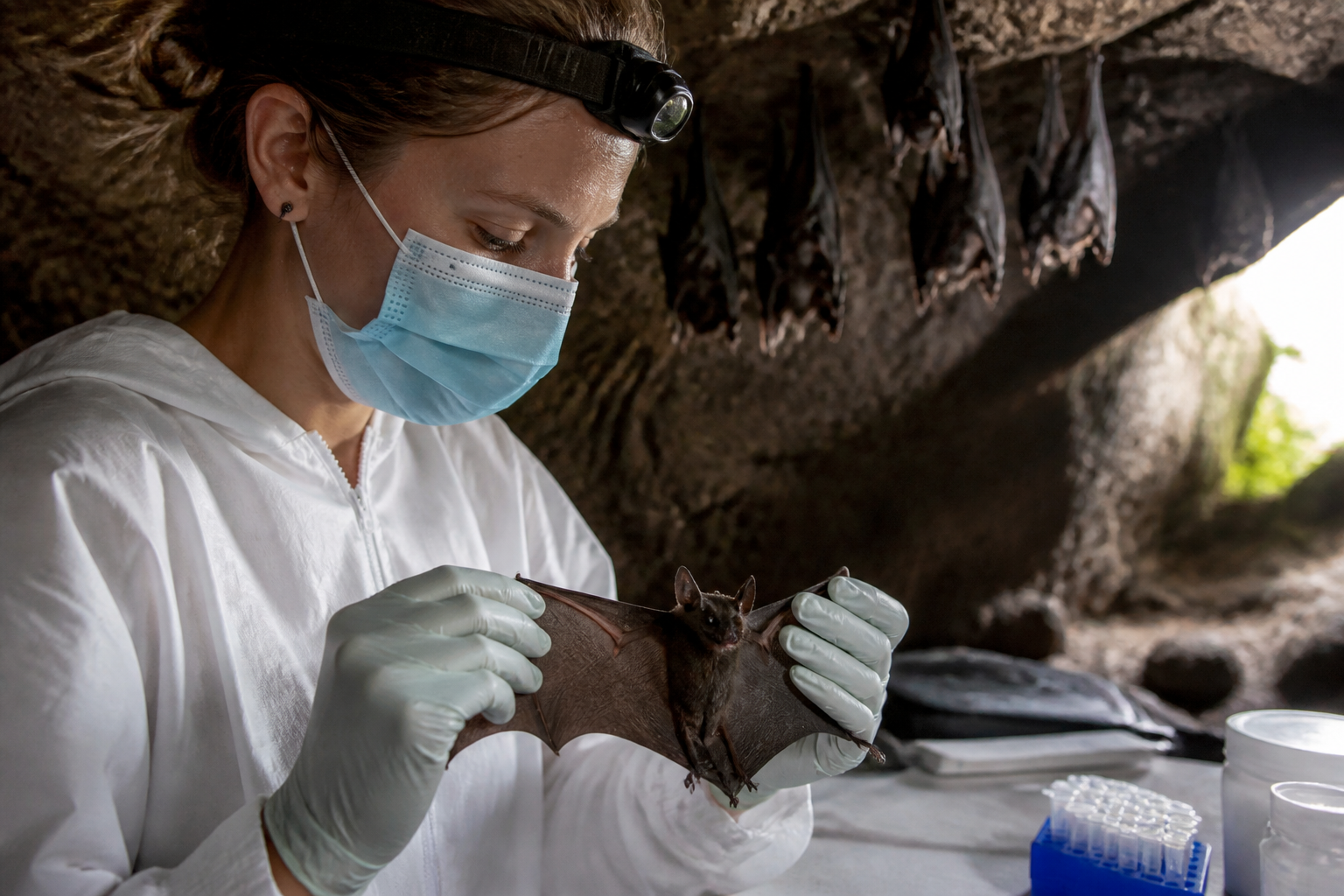
A study published in the journal Nature has found that the longest-lived bats in North America respond to heavily damaged cells in a way researchers did not expect: instead of activating DNA repair, the cells ramp up the genes that trigger cell death. The work was led by Juan Manuel Vazquez, a postdoctoral fellow at UC Berkeley at the time of the research and now a faculty member at Pennsylvania State University, along with Peter Sudmant, an associate professor of integrative biology at Berkeley.
The team sequenced the genomes of eight species within the genus Myotis, a group of bats that is particularly useful for this kind of research because closely related species can have dramatically different lifespans. According to ScienceDaily Healthy Aging, which reported on the study, one Brandt's myotis was banded in Europe and recaptured 50 years later, while the black Myotis of South and Central America lives only about seven years. Vazquez compared that contrast to a hypothetical in which a close human relative lived nine times longer than modern humans.
To test how bat cells handle damage, Vazquez grew cells from bat wing biopsies in the laboratory and exposed them to toxic chemicals. He currently holds cell cultures from 259 individuals representing 32 species, according to the report. When the little brown bat, Myotis lucifugus, identified as the longest-lived bat in his sample, was exposed to a lethal dose of the chemical, its cells did not increase DNA repair activity. They increased the activity of genes that promote cell death instead. "We found the literal opposite of what we expected," Vazquez said, as quoted by ScienceDaily Healthy Aging. He noted that the elephant, another long-lived species with known cancer resistance, appears to use the same strategy.
The genomic analysis also found substantial overlap between genes associated with bat lifespan and genes involved in interactions with viruses, particularly DNA viruses such as herpes viruses. Collaborator Elise Lauterbur, then at the University of Arizona, had independently identified many of the same genes as relevant to bat-virus interactions. "There is way more overlap than you would expect just by random chance," Vazquez said in the report.
Sudmant noted that Myotis bats show unusually strong selection for genes producing proteins that interact with DNA viruses, a pattern distinct from humans and other primates, who tend to have more genes oriented toward RNA viruses such as COVID and HIV. The researchers suggest this evolutionary mismatch may help explain why viruses that move from bats to people can cause serious disease.
What this does not show is whether any of these mechanisms can be transferred to humans, or whether they would work the same way in human cells. The entire study is genomic and cellular, meaning it was conducted in bat DNA and bat cells grown in a dish, not in people. No human trials are described in the reports, and no therapeutic application exists yet. The finding that damaged cells are eliminated rather than repaired is an observation about bat biology; whether deliberately promoting cell death in humans would extend healthy life or cause harm is a separate question that this research does not address.
The open question, as Sudmant framed it in the report, is how bat cells regulate the trade-off between immune protection and the costs of running such an active immune system. Vazquez is continuing to investigate the genetic mechanisms of longevity using cell cultures at Penn State. What would move this research closer to human relevance is understanding whether the same genes play comparable roles in human aging biology, and whether they can be studied safely in people. That work, by the researchers' own account, has not yet begun.
Source: https://www.sciencedaily.com/releases/2026/09/260911003852.htm