Longevity
Blood proteins and epigenetic clocks both predict death risk, but brain measures edge ahead
By Life and Health Today Staff, . Life and Health Today.
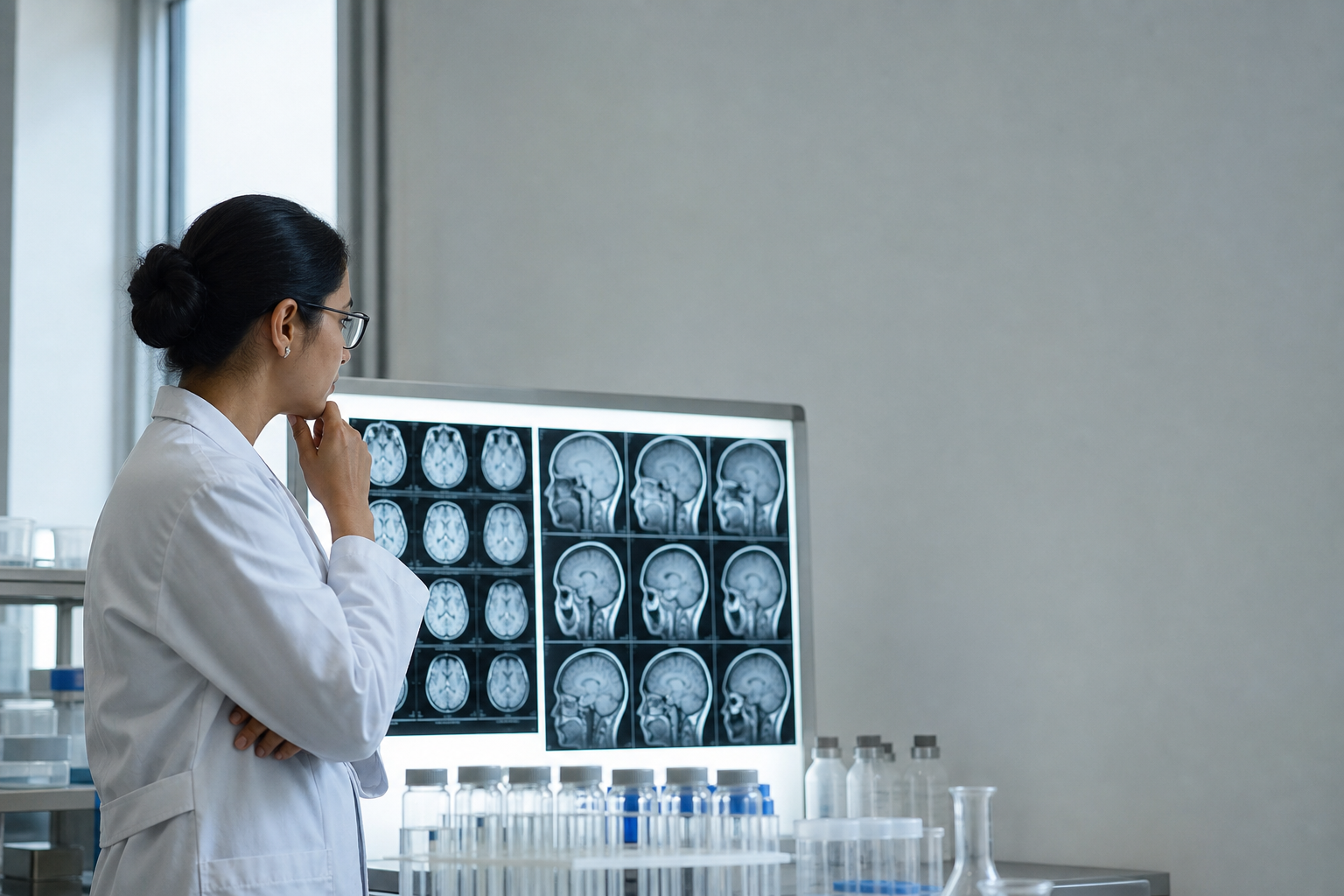
A research team working with the Lothian Birth Cohort 1936, a long-running Scottish study of people born in that year, has published what it describes as the first systematic comparison of two competing ways to measure how fast a person is ageing biologically: proteomic organ clocks and a set of established ageing biomarkers. The results, published in the journal Aging Cell, suggest the newer protein-based clocks are informative but do not clearly surpass the older tools.
Proteomic organ clocks use patterns of proteins circulating in blood plasma to estimate the biological age of specific organs, in this case, 11 of them. Epigenetic clocks, by contrast, measure chemical modifications to DNA that accumulate with age; the version used here, called GrimAge2, is one of the most studied. The cohort followed 861 participants over 16 years, during which 444 died, giving the researchers enough events to run meaningful survival statistics.
Among the proteomic organ clocks, accelerated ageing of the liver, immune system and heart showed the strongest links to all-cause mortality. According to the journal Aging Cell, the hazard ratios per standard deviation, a measure of how much the risk of death rises for each step of accelerated ageing, were 1.43 for the liver clock, 1.42 for the immune clock and 1.38 for the heart clock. A hazard ratio of 1.43 means that for each standard-deviation increase in accelerated liver ageing, the risk of dying over the study period was 43 percent higher, all else being equal.
Those are meaningful numbers. But the established biomarkers matched or exceeded them. Older epigenetic age as measured by GrimAge2, smaller total brain volume, smaller grey matter volume, reduced respiratory function and poorer cognitive performance all showed hazard ratios between 1.44 and 1.62 per standard deviation, according to the same paper. In other words, the tools clinicians and researchers have used for years held their own against the newer proteomic approach.
The study also ran a separate analysis of 9,703 individual plasma proteins to find which ones were most strongly associated with mortality risk, independent of the organ clock framework. Three proteins led the field. GDF15, a protein associated with cellular stress, had a hazard ratio of 1.56. WFDC2 came in at 1.47 and TIMP1 at 1.45, according to Aging Cell. Proteins linked to immune function were overrepresented among those associated with higher mortality risk; proteins involved in maintaining genomic stability and cellular repair were more common among those associated with lower risk.
What this does not show is that any of these markers causes death, or that changing a protein level would change an outcome. These are associations measured in a single cohort of Scottish adults born in 1936, and the findings would need replication in other populations before they could be generalised. The study also cannot tell us whether acting on any of these signals, say, by treating a condition that drives accelerated liver ageing, would shift the mortality trajectory. That would require a randomised trial, and none is described here.
The open question the authors themselves identify is whether combining proteomic organ clocks with established biomarkers improves prediction beyond either alone. The study benchmarks them against each other; it does not test a composite score. That comparison would be the logical next step, and its absence is a genuine limit of what can be concluded from this work.
For anyone weighing up the growing market in biological age testing, blood-based panels that claim to tell you how old your organs really are, this study is useful context. The protein-based organ clocks are not shown here to be superior to measures a doctor can already order or observe: lung function, cognitive testing, brain imaging, or an epigenetic clock run on a blood sample. Whether any of these tests should guide individual decisions is a question that belongs with a clinician who knows a person's full history.