Biohacking
Brain scans reveal five distinct biological subtypes of depression in 263 patients
By Life and Health Today Staff, . Life and Health Today.
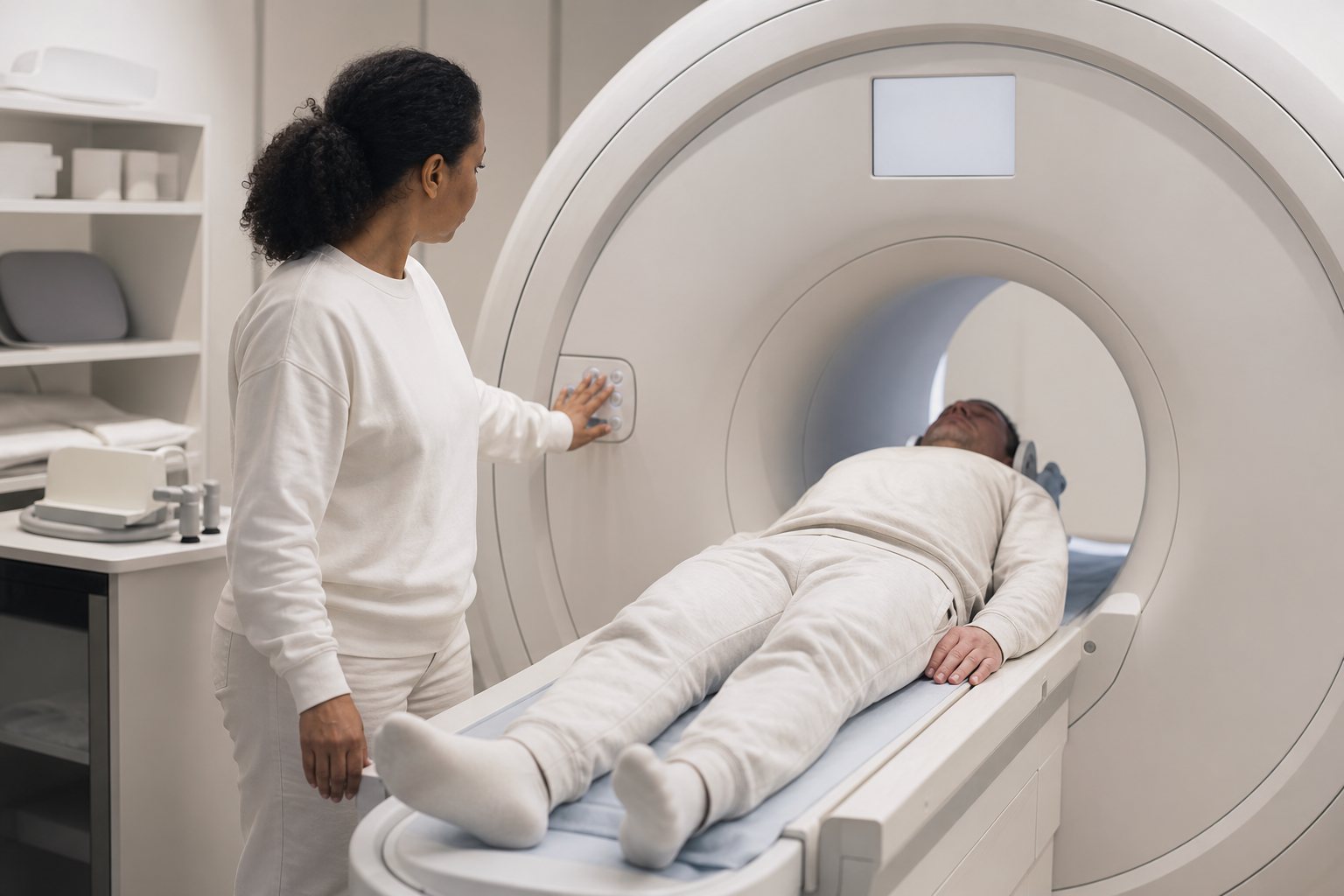
Two people can walk into a psychiatrist's office with the same diagnosis of major depressive disorder and have brains doing almost opposite things. That is the central finding from a study by neuroscientists at the University of Helsinki, published in a cross-sectional design with 263 patients diagnosed with major depressive disorder and 75 healthy control subjects.
The researchers used magnetoencephalography, or MEG, a brain-imaging technology that detects the tiny magnetic fields produced by electrical activity in neurons and can track changes with millisecond precision. That speed matters. Most earlier studies of brain connectivity in depression used methods with slower time resolution, and the Helsinki team's results suggest that may be why those studies kept contradicting each other.
Using MEG to measure functional connectivity, which is how synchronized and coordinated communication is between different brain regions, the team identified five distinct neurophysiological subtypes within the same clinical diagnosis. Each subtype showed a different pattern of which brain regions were involved, how strongly they communicated, and at what rhythmic frequencies that communication occurred. All five diverged significantly from the healthy control group.
"What was particularly interesting was the contrasting patterns of brain activity found under the umbrella of the same depression diagnoses. In some individuals, the functional connectivity between brain regions was stronger than usual, while in others it was weaker," said Satu Palva, Director of the Neuroscience Center at the University of Helsinki, as quoted by Neuroscience News.
That contrast is the useful sentence. Previous research had produced conflicting results about whether depression was associated with too much or too little connectivity between brain regions. The Helsinki findings suggest both camps may have been right, just looking at different patient populations mixed together without knowing it.
What this study does not establish is which treatment works for which subtype. The researchers describe their five profiles as "candidate mechanistic phenotypes for future validation and treatment-stratification studies," meaning the next step is testing whether the subtypes predict who responds to what. That work has not been done yet. Palva was direct about the gap: "We're not yet at the point where brain measurements can be used to choose the right treatment for patients, but the study does show one possible route," according to Neuroscience News.
The study design is cross-sectional, meaning it captured a single snapshot of each participant's brain rather than following people over time. That limits what can be said about whether the subtypes are stable, whether they shift with treatment, or whether they predict long-term outcomes. The authors note the findings need future validation before they could inform clinical decisions.
The current standard for treating depression involves a significant amount of trial and error: trying one antidepressant, waiting weeks to see if it works, switching if it does not. Neuroscience News reports that this cycling through medications and therapies is common, and the Helsinki team frames biological subtyping as a potential route out of it. The open question is whether MEG-defined subtypes will predict treatment response well enough to be clinically useful, and that requires prospective trials that do not yet exist.
For anyone living with depression or caring for someone who is, the practical implication right now is limited. MEG-based profiling is not available in routine psychiatric care. What the study does offer is a plausible explanation for why the same diagnosis can feel so different from person to person, and why the same medication can work for one patient and do nothing for another. Whether that explanation eventually translates into better matching of people to treatments is a question for the next round of research. What to do with any of this is a conversation that belongs with a clinician who knows the individual's full history.
Source: https://neurosciencenews.com/five-brain-profiles-depression-31246/