Regenerative
Twenty years in, iPSC technology is moving from lab tool toward the clinic
By John Hyland, . Life and Health Today.
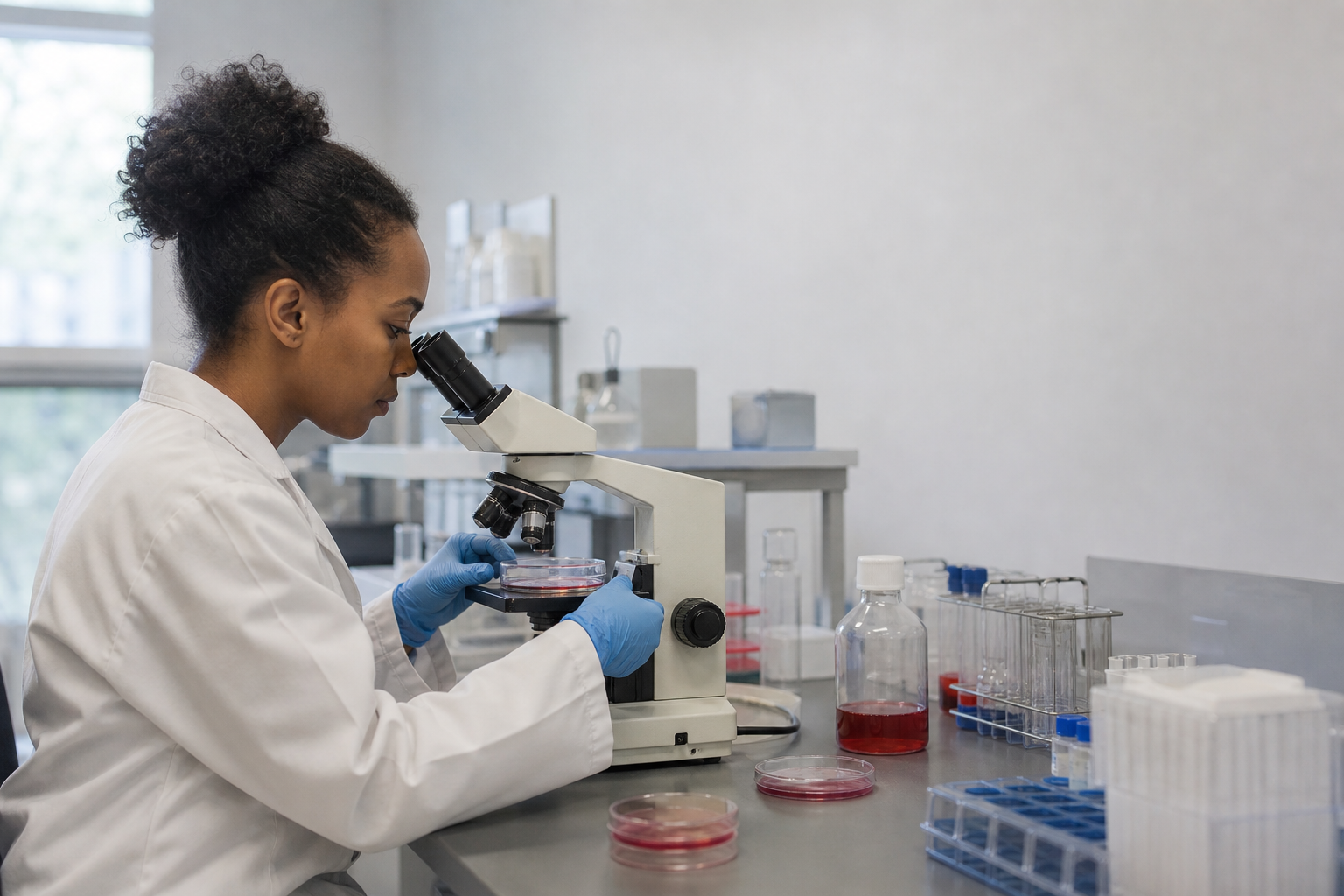
Twenty years ago, Shinya Yamanaka's team reported something that reshaped biology: ordinary adult cells, taken from skin or blood, could be chemically reprogrammed into a state resembling embryonic stem cells. The resulting cells, called induced pluripotent stem cells, or iPSCs, could then be coaxed into becoming almost any cell type in the body. According to RegMedNet, which covered the anniversary as part of its 2026 retrospective series, that discovery has since grown into a platform underpinning research across disease modeling, drug discovery, regenerative cell therapy and precision medicine.
What iPSCs actually do, and why that matters
The core advantage, as the publication describes it, is access. For many rare or complex conditions, getting usable tissue from the part of the body that is actually affected, a patient's neurons or heart muscle cells, for example, is either impossible or carries serious risk. iPSCs sidestep that problem. A researcher takes a readily available sample, reprograms it into the relevant cell type, and studies disease biology in cells that carry the patient's own genetic background. Animal models and standard laboratory cell lines often cannot replicate that accurately.
The publication notes that iPSCs are now being applied to a wide and growing range of diseases, and that no single article could cover all of them. Its review instead traces a handful of illustrative programs to show how the field has evolved.
From modeling to therapy
The earliest iPSC work was largely about understanding disease: building a patient-derived cell line, watching what went wrong, and using that model to test candidate drugs. That work continues, but the ambition has grown. According to the report, therapeutic programs are now using iPSCs as the starting material for cell therapies intended to be given directly to patients, not just as a research tool in a dish.
The publication does not detail specific trial results or approval statuses in the portion available for review, and it is careful to frame the clinical programs as an evolution still in progress rather than an established standard of care. The distinction matters: a cell therapy derived from iPSCs that is being studied in a clinical trial is not the same as one that has been approved for use. What the evidence supports at this stage is that the technology has moved from purely preclinical work into early human programs, not that those programs have yet demonstrated broad clinical benefit.
What the next twenty years depend on
The open questions are manufacturing scale, safety monitoring over time, and whether iPSC-derived therapies can be made consistently enough to treat patients beyond specialized research centers. The report frames the current moment as a transition, with the technology credibly in the clinic for some applications while remaining a laboratory instrument for many others.
For a reader weighing whether iPSC-based treatments are something to ask a specialist about today, the honest answer is that it depends entirely on the condition and the program. Some early-phase human trials exist; most applications are still in preclinical or early research stages. That conversation belongs with a clinician who knows the specific disease and what trials, if any, are currently enrolling.
Source: https://www.regmednet.com/ipscs-at-twenty-a-snapshot-of-disease-modeling-and-cell-therapy/
Life & Health Today provides information for educational purposes only, not medical advice, diagnosis, or treatment. Always consult a qualified healthcare professional.