Regenerative
CRISPR therapy cuts sickle haemoglobin by two-thirds in lab and mouse tests
By Life and Health Today Staff, . Life and Health Today.
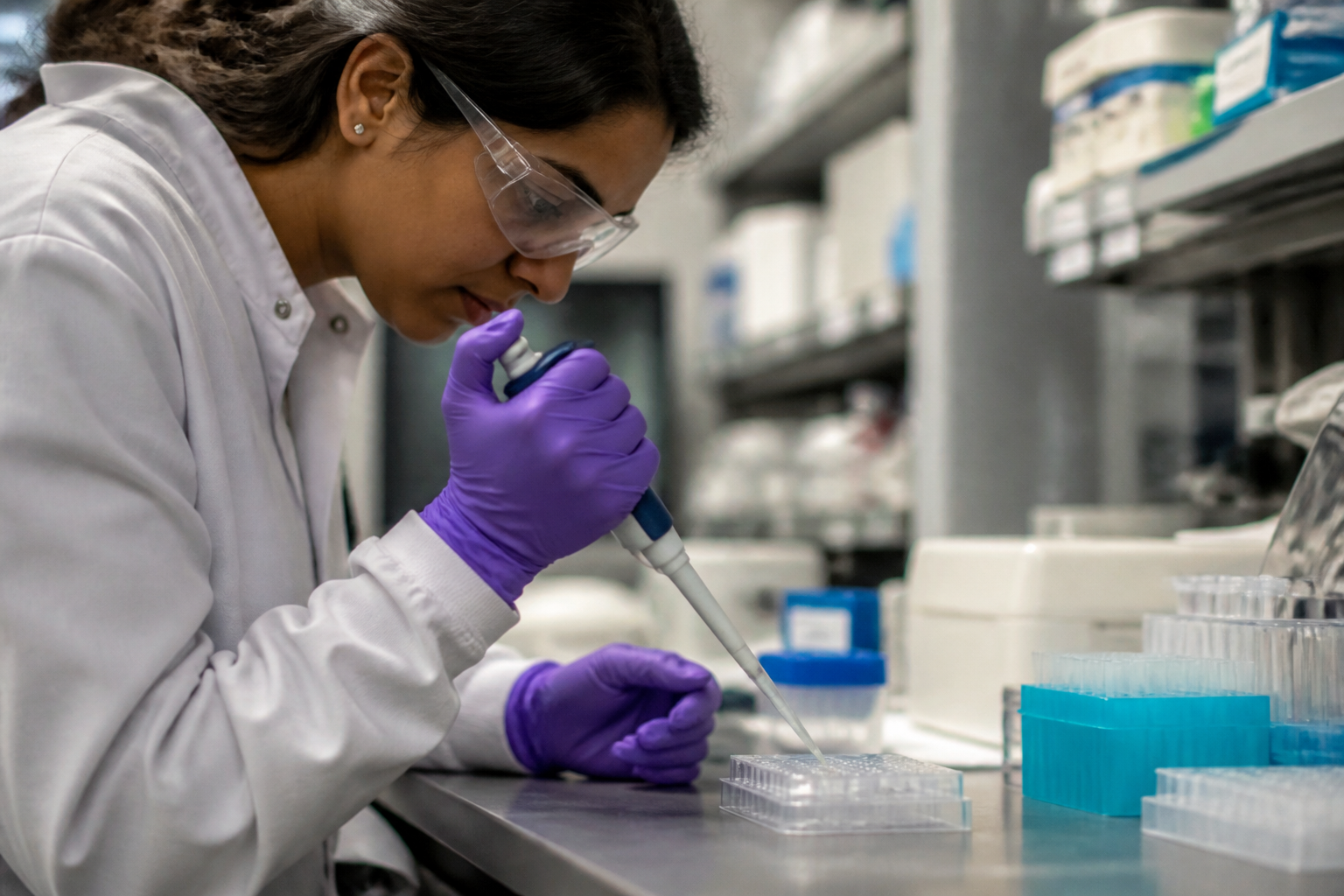
A team developing a gene therapy for sickle cell disease has published preclinical results for a candidate called CRISPR_SCD001, reporting that it substantially reduced sickle haemoglobin in edited blood cell cultures and engrafted successfully in mice. The findings appeared in Molecular Therapy, the journal of the American Society of Gene Therapy.
Sickle cell disease is caused by a mutation in the HBB gene, which carries the instructions for making haemoglobin, the protein in red blood cells that carries oxygen. When both copies of the gene carry the mutation, haemoglobin molecules clump together and distort red blood cells into a rigid, crescent shape, blocking small blood vessels and causing pain, organ damage and shortened life.
CRISPR_SCD001 is an autologous therapy, meaning it uses a patient's own cells. The process begins by collecting CD34-positive cells, a type of blood stem cell, from the patient's bloodstream using a drug called Plerixafor to push them out of the bone marrow. The CRISPR-Cas9 gene-editing system, which acts as a molecular scissors guided to a precise location in the genome, is then used to correct the faulty HBB allele in those cells. The corrected cells are frozen and, in a clinical setting, would be returned to the patient.
According to the paper published in Molecular Therapy, large-scale manufacturing runs produced cell products with 89 percent plus or minus 5 percent CD34-positive purity and 84 percent plus or minus 6 percent viability. Mean gene correction at the HBB site reached 22 percent plus or minus 4 percent of alleles. In edited erythroid cultures, which are laboratory-grown red blood cell precursors, sickle haemoglobin fell from 89 percent to 22 percent plus or minus 6 percent, while adult haemoglobin and fetal haemoglobin, both of which can carry oxygen normally, made up 39 percent and 40 percent of haemoglobin respectively.
The mouse experiments used a strain called NBSGW mice, which are engineered to accept human blood stem cells. The authors reported that CRISPR_SCD001 engrafted at a rate of 59 percent plus or minus 25 percent, that editing frequencies in the animals were comparable to those in the injected cells at roughly 20 percent gene correction, and that a blinded histopathology assessment found no noteworthy treatment-related toxicity or pathological findings.
What this does not show is whether the therapy works in people. Every result in this paper comes from laboratory cell cultures or from mice, and the gap between preclinical success and clinical benefit in gene therapy has historically been wide. The 22 percent gene correction rate also means that the majority of alleles in the edited product were not corrected, though the authors note that allelic disruption, meaning the editing process disrupted the sickle mutation even without full correction, reached 51 percent plus or minus 6 percent. Whether that level of correction is sufficient to reduce disease severity in patients is a question only a human trial can answer.
The authors state that the data support initiating a first-in-human phase 1 trial. A phase 1 trial is designed to test safety, not to establish whether a treatment works. Results from such a trial, if it proceeds, would not by themselves confirm that CRISPR_SCD001 benefits patients.
Two gene therapies for sickle cell disease, Casgevy and Lyfgenia, received United States Food and Drug Administration approval in late 2023, so an approved treatment pathway now exists for some patients. CRISPR_SCD001 is a separate, earlier-stage candidate that has not been approved or authorised for clinical use. Whether it would offer advantages over existing approved options is not something the preclinical data can address. Anyone weighing options for sickle cell disease should discuss the full landscape of available and investigational treatments with a clinician who knows their individual history.