Longevity
Male tree shrews outlived females by median lifespan in first detailed captive colony study
By Life and Health Today Staff, . Life and Health Today.
What the researchers set out to find
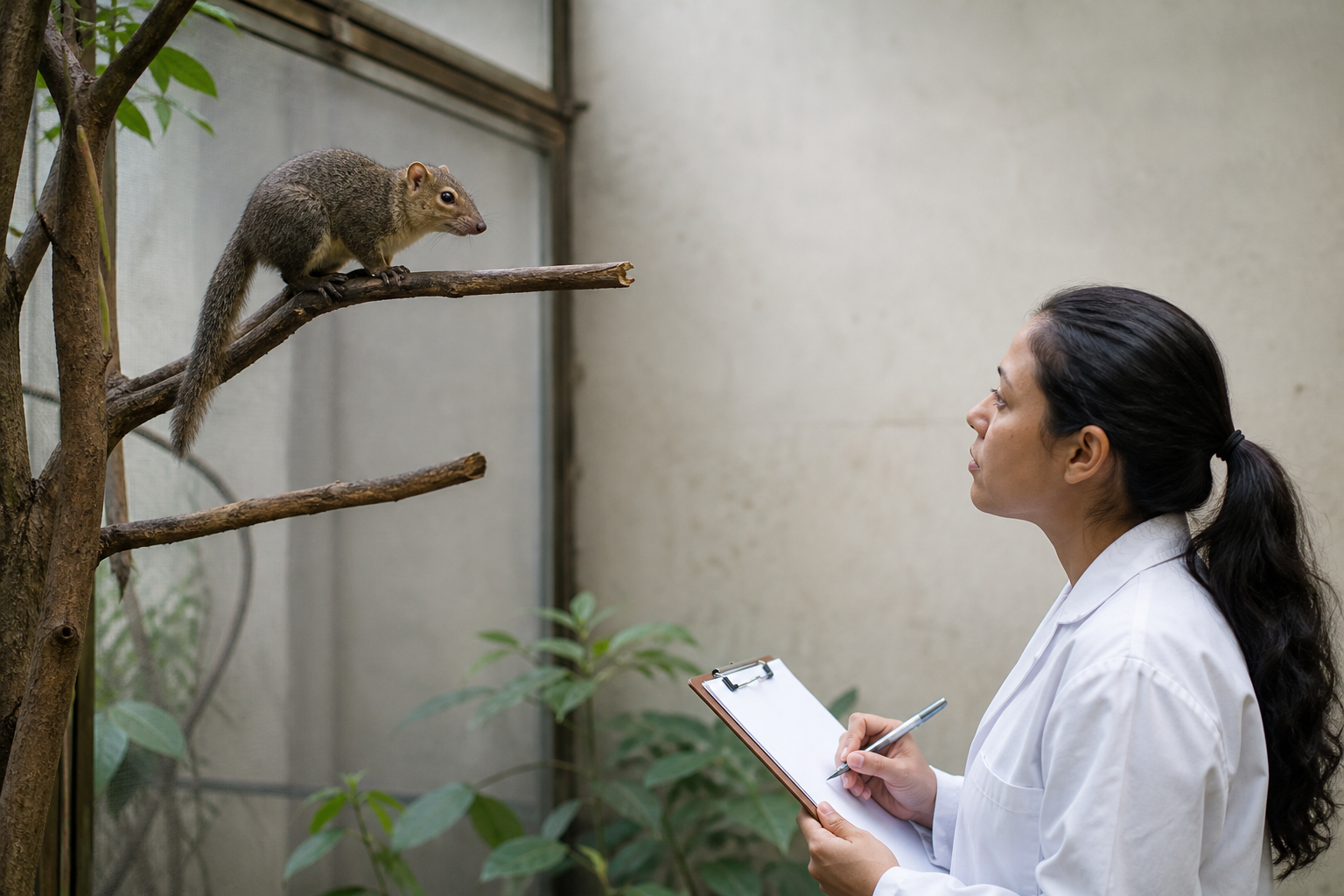
For more than 50 years, Northern tree shrews have been used in laboratory research, yet no one had published a detailed account of how long they live or whether males and females age differently. Researchers at the University of Alabama at Birmingham used records from their own captive colony of Tupaia belangeri, the Northern tree shrew, to fill that gap. Their findings appeared in the journal GeroScience.
Tree shrews are small mammals native to Southeast Asia and more closely related to primates than rodents are. That evolutionary proximity is part of their appeal to researchers: according to GeroScience, the development of the tree shrew visual system parallels that of humans in ways rodent models do not, making them a recurring choice for preclinical work, meaning laboratory research that has not yet moved into human trials.
What the colony records showed
Male tree shrews in the Birmingham colony had a higher median lifespan than females. Median lifespan is the age by which half the animals in a group have died, a standard way of comparing survival across populations. The difference did not extend to maximum lifespan: when the researchers examined 90 percent survival, the point at which only one in ten animals remained alive, males and females were comparable. Mortality rates showed no meaningful gap between the sexes either.
On reproduction, the picture was largely flat. The researchers found little evidence that reproductive success declined with age in any general sense. The one exception was that pairs where both parents were older showed a slight reduction in reproductive output compared to younger pairs.
Why a baseline matters
The practical value of the study is what it enables downstream. Aging research depends on selecting the right age groups for experiments, and that requires knowing when an animal is young, middle-aged, or old in its own terms. Because no detailed lifespan data existed for this species before, researchers using tree shrews had no reliable reference point. This study begins to establish one, drawing on records the Birmingham colony had already accumulated.
The finding that males and females differ in median lifespan but not in maximum lifespan or mortality is the kind of sex-difference detail that matters when designing a study. An experiment that treats male and female animals as interchangeable may be missing something, or may not, and now there is at least some data to consult.
What this does not show
Everything here is preclinical. The tree shrew findings say nothing directly about human aging, human lifespan, or any intervention. The study is descriptive: it documents what happened in one captive colony rather than testing a treatment or a mechanism. Whether the patterns seen in Birmingham would hold in wild populations, in other colonies, or across different tree shrew species is an open question the study does not address.
For anyone weighing a longevity intervention, this research sits several steps upstream of anything clinically relevant. Its value is to researchers choosing an animal model, not to anyone making decisions about their own health.
Life & Health Today provides information for educational purposes only, not medical advice, diagnosis, or treatment. Always consult a qualified healthcare professional.