Longevity
Sesame compound eased alcohol-related gut aging in middle-aged mice
By Life and Health Today Staff, . Life and Health Today.
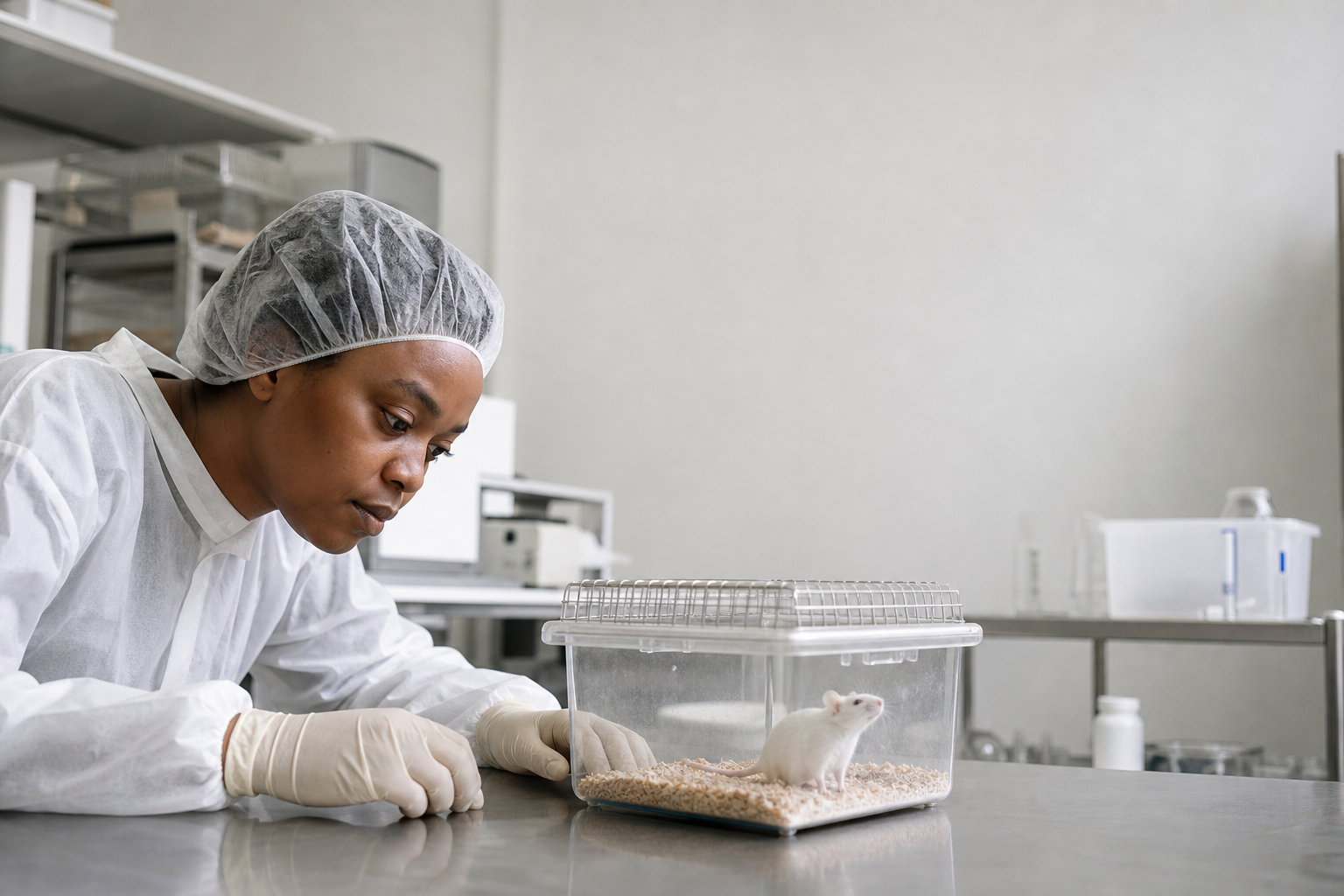
Alcohol consumption among older Americans is rising even as younger generations drink less, and a study published in the journal GeroScience suggests the gut may be one of the places that trend does its damage. Researchers at Kobe Gakuin University in Japan found that a compound derived from sesame seeds reduced several markers of intestinal aging in middle-aged mice that were fed alcohol daily for ten weeks. No human trials have tested sesaminol for this purpose, and the findings should be read as early-stage laboratory work.
What the researchers tested and found
The study used male mice that were 50 weeks old at the start, which the researchers equate to roughly 48 human years, and fed them a liquid diet containing 2.5 percent ethanol for ten weeks. A separate group of young mice, starting at 10 weeks old, served as a comparison. The middle-aged mice receiving alcohol were split into two groups: one received a daily oral dose of 1.2 mg of sesaminol, a lignan (a class of plant compound with antioxidant properties) extracted from sesame; the other received a placebo.
Chronic alcohol exposure in the middle-aged mice was associated with what the report describes as dysbiosis (an imbalance in the gut's bacterial community), reduced levels of proteins that hold the intestinal lining together, and elevated markers of cellular senescence. Senescence refers to a state in which cells stop dividing but remain active, releasing inflammatory signals that can damage surrounding tissue; the accumulation of senescent cells is considered one mechanism of biological aging.
Mice that received sesaminol showed attenuation of those changes. Their gut microbiome had greater abundance of three bacterial families, Lactobacillaceae, Rikenellaceae, and Muribaculaceae, and higher concentrations of butyrate, a short-chain fatty acid that gut bacteria produce from dietary fiber and that is associated with intestinal barrier health. The report also found changes in two signaling pathways, aryl hydrocarbon receptor (AhR) and nuclear factor erythroid 2-related factor 2 (Nrf2), both of which are involved in how cells respond to environmental stressors and oxidative damage.
What this does and does not establish
The study was conducted entirely in mice, and the results cannot be assumed to translate to people. The source text provided to this publication is the first portion of the full paper; the complete methods, statistical detail, and any limitations the authors stated appear in sections not available here, so the full scope of the researchers' own caveats is not known.
What the study does establish is a plausible biological chain: alcohol disrupts the gut microbiome in middle-aged animals in ways that appear more pronounced than in young ones, and a sesame-derived compound shifted that disruption in a measurable direction. Whether sesaminol does the same in humans, at what dose, and with what side effects are questions that would require clinical trials to answer.
Sesaminol is not approved or cleared by the US Food and Drug Administration as a treatment for any condition. Products containing sesame lignans are sold as dietary supplements without regulatory review of their effectiveness.
Why the age angle matters
The researchers chose middle-aged mice deliberately. Their earlier work, also cited in the report, had shown sesaminol's effects in young animals; this study was designed to ask whether age changes the picture. The report notes that alcohol acts as what it calls a systemic gerontogen, a substance that accelerates biological aging, and that its effects on the gut may be compounded in older individuals whose intestinal defenses are already declining. That framing is the scientific rationale for the experiment, not a clinical recommendation.
For anyone weighing what this means personally, the honest answer is that the research is too early to guide individual decisions, and that question belongs with a clinician who knows the full picture.
Source: https://link.springer.com/article/10.1007/s11357-026-02622-z
Life & Health Today provides information for educational purposes only, not medical advice, diagnosis, or treatment. Always consult a qualified healthcare professional.