Longevity
Fat in aging muscle may signal decline, but the science is still early
By Life and Health Today Staff, . Life and Health Today.
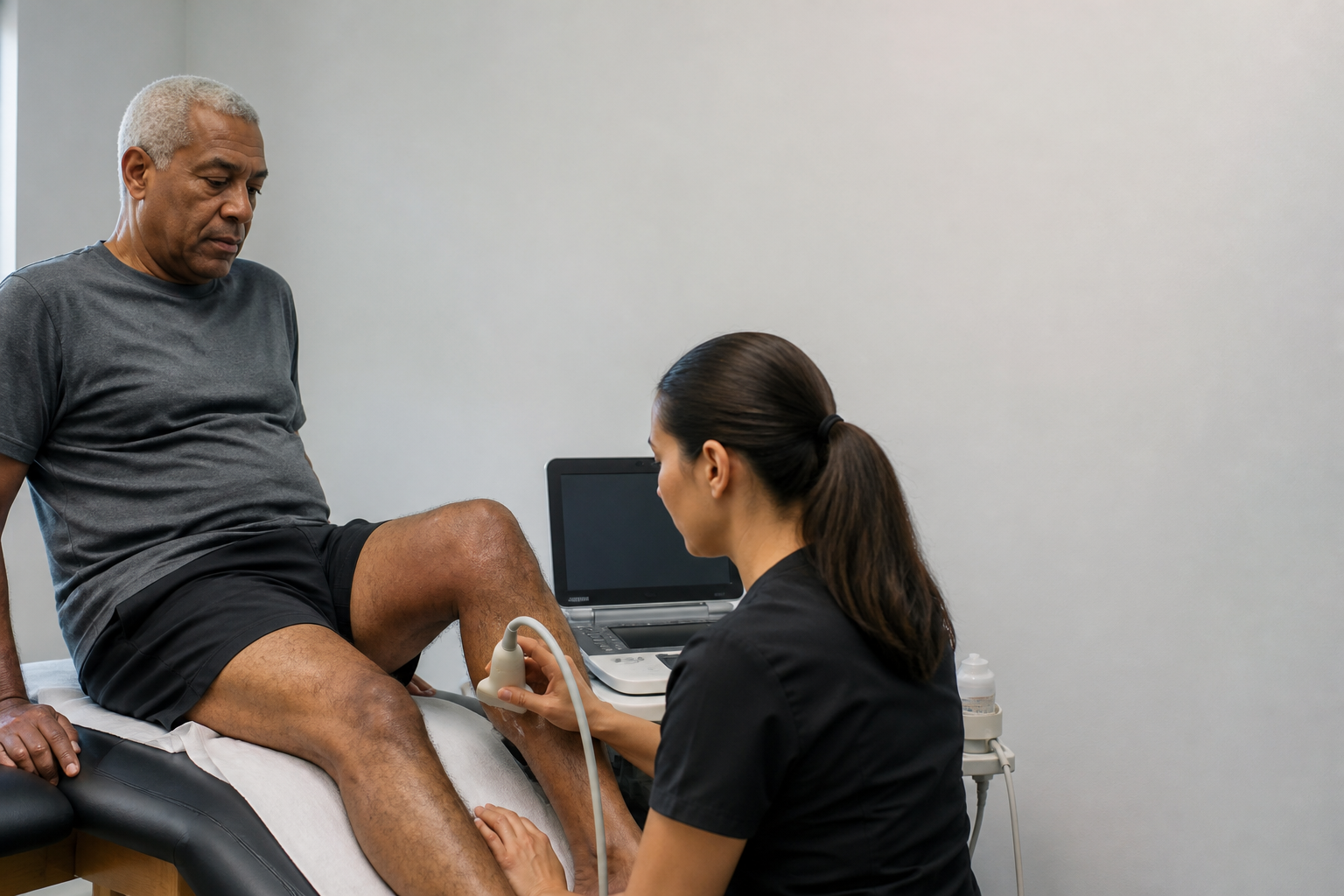
Two pieces of research flagged by Fight Aging!, a longevity-focused newsletter, put muscle tissue at the centre of aging biology this month, approaching it from different angles and at very different stages of evidence.
The first is a review of population-based imaging studies examining myosteatosis, the term for fat that infiltrates skeletal muscle rather than sitting beneath the skin. According to the newsletter, the review found that myosteatosis increased consistently with age across the studies examined, and did so independently of weight change, overall body size, physical activity levels, and chronic disease burden. The burden was greater among women and among non-White racial and Hispanic ethnic groups after accounting for those factors. The fat does not accumulate evenly: the review found it builds up differently in different parts of the body and is associated in varying ways with changes to gait, balance, muscle strength, and physical function.
The review, cited as open access there, concludes that myosteatosis is a potential marker of biological aging, meaning it may reflect the underlying wear on the body rather than simply being a side effect of illness or inactivity. The authors call for future work in diverse populations using standardised imaging methods, with longitudinal tracking of biological markers to understand what drives the change.
What the review does not establish is whether myosteatosis causes the functional declines it is associated with, or whether reducing it would improve outcomes. An association between a measurable feature and a bad result is not the same as a cause, and a marker that tracks aging is not automatically a useful tool for testing treatments. The newsletter notes this directly: the field's broader problem is that without a reliable measure of biological age that holds up across different interventions, researchers are still largely dependent on long and expensive lifespan studies to know whether anything is working.
The second piece of research, also flagged there as open access, is a mouse study examining cardiolipin, a phospholipid, which is a type of fat molecule, that is central to the structure of the inner mitochondrial membrane. Mitochondria are the structures inside cells that produce adenosine triphosphate, the chemical that powers most cellular activity. Cardiolipin production declines with age, and the study set out to test whether that decline has a causal role in the muscle changes seen in aging.
Researchers engineered young mice to lack the enzyme that synthesises cardiolipin in skeletal muscle, then observed what happened. According to the write-up, the mice reproduced key features of aging muscle, including a shift from glycolytic fibers, which generate force quickly, toward oxidative fibers, which are more metabolically efficient but associated with the selective atrophy seen in aging and muscle disease. The study also examined human skeletal muscle data and found the same pattern.
It notes an important caveat: the experiment was conducted in a mouse lineage engineered to lack cardiolipin from the start, not in naturally aged mice. The newsletter says explicitly that the study would need to be repeated in aged mice before the findings can be taken at face value as a model of normal aging.
Neither finding is in a position to guide individual decisions. The myosteatosis review is observational, meaning it describes patterns across populations rather than testing an intervention. The cardiolipin work is preclinical, conducted in genetically modified mice and not yet in humans in a therapeutic context. It also notes that attempts to improve mitochondrial function in older people through drugs and supplements have so far struggled to outperform exercise, suggesting that the mechanisms targeted have not been the most consequential ones, or have not been sufficient on their own.
The open question in both cases is the same: whether a measurable feature of aging muscle can be shifted by an intervention, and whether shifting it improves how people actually move and function. That would require controlled trials in people, and none have been reported. Anyone weighing whether any of this is relevant to their own situation would need to raise it with a clinician who knows their history.
Source: https://www.fightaging.org/archives/2026/10/fight-aging-newsletter-october-12th-2026/
Life & Health Today provides information for educational purposes only, not medical advice, diagnosis, or treatment. Always consult a qualified healthcare professional.