Longevity
Healthy habits explain only a slice of the longevity gap between rich and poor
By Life and Health Today Staff, . Life and Health Today.
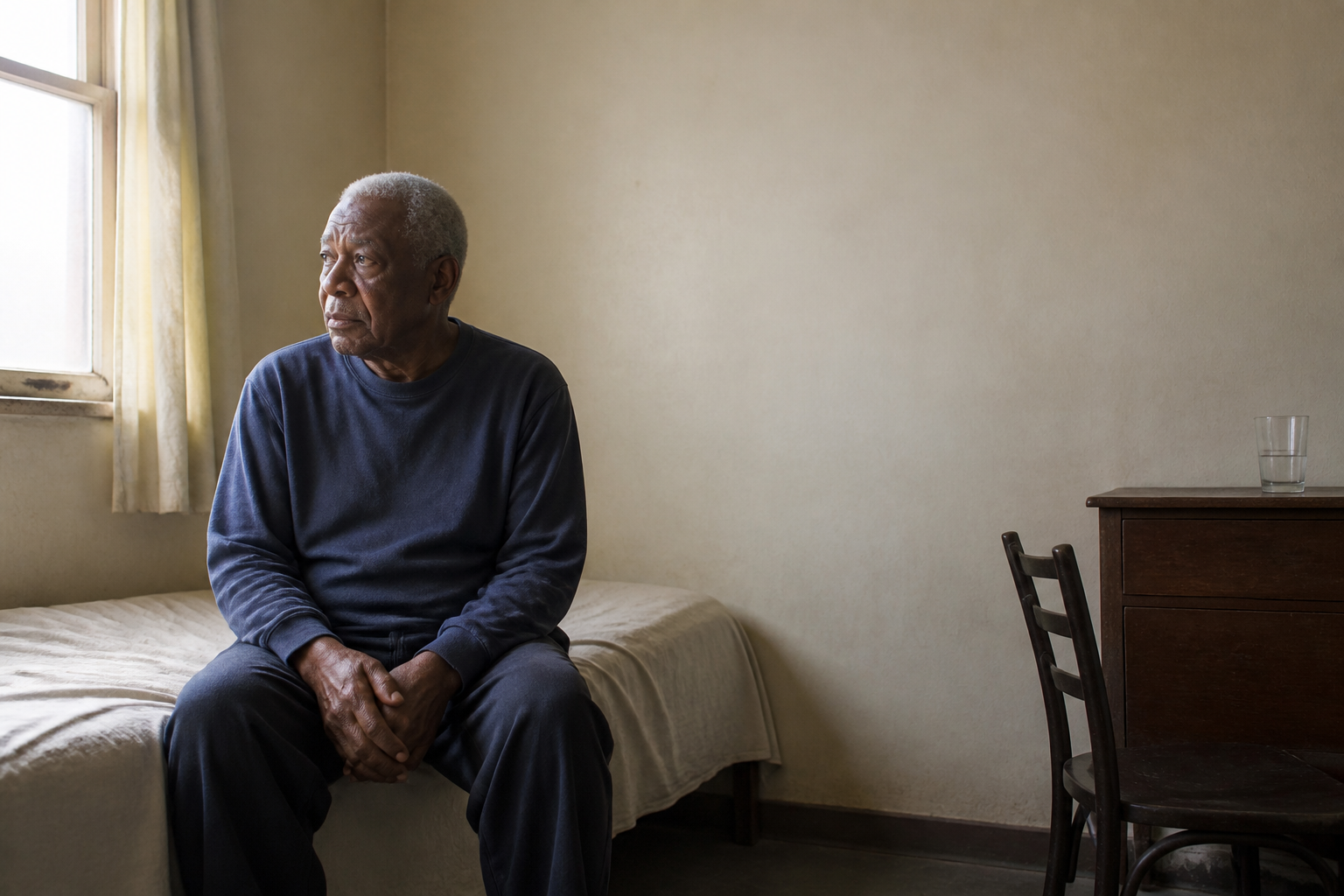
People with lower socioeconomic status live shorter lives and age less healthily than those with higher status. That much has been established for decades. What has been harder to pin down is why, and specifically how much of the difference comes down to the choices individuals make about how they live. A large Chinese cohort study, reported by the longevity research publication Fight Aging, puts a number on it, and the number is smaller than many assume.
What the study measured
Researchers followed 33,541 adults aged 65 and older across 23 provinces in China over 20 years. They sorted participants into low, medium, and high socioeconomic status groups using a statistical technique called latent class analysis, a method that groups people by shared characteristics, drawing on education level, financial status, and occupation. They then built a healthy lifestyle score based on five factors: never smoking, avoiding heavy alcohol use, regular physical activity, leisure activity, and a healthy diet.
Compared with the high-status group, older adults in the low-status group had a 25% higher risk of dying from any cause and a 46% higher risk of what the researchers called "unhealthy ageing," meaning decline across physical, cognitive, mental, visual, and hearing functions. Those are adjusted hazard ratios, meaning the researchers accounted for other variables before arriving at those figures.
How much lifestyle explains
This is where mediation analysis comes in. Mediation analysis is a statistical approach that tries to estimate how much of the link between two variables, here socioeconomic status and health outcomes, runs through a third variable, in this case lifestyle. The answer the study produced: lifestyle mediated roughly 20.5% of the gap in all-cause mortality between low- and high-status groups, and about 16.4% of the gap in unhealthy ageing.
In plain terms, that means somewhere around one in five of the extra deaths seen in lower-status groups was associated with lifestyle differences. The other four in five came from somewhere else.
The study also found that healthier lifestyle choices were associated with more years of life at every status level, but the gains were largest for those with higher socioeconomic status. At age 65, the healthiest group in the high-status tier had an estimated 5.65 more years of total life expectancy than the least healthy group in the same tier. In the low-status group, that same comparison yielded 3.18 extra years. For healthy life expectancy, meaning years lived without significant physical or cognitive decline, the figures were 3.90 additional years in the high-status group and 1.40 in the low-status group.
What the remaining gap points to
Fight Aging notes that other well-studied factors likely account for much of what lifestyle does not explain: exposure to air pollution, persistent infectious agents, and unequal access to medical care are all candidates that differ systematically between socioeconomic groups. The study does not test those explanations directly.
The authors' interpretation, as reported by Fight Aging, is that a healthy lifestyle can reduce but not eliminate socioeconomic health disparities, and that the structural conditions people live in appear to matter more than their individual choices, at least by this measure.
There are real limits to what this kind of study can establish. Mediation analysis can estimate how much of a statistical association runs through a given pathway, but it cannot prove that changing lifestyle would close the gap by that amount. The data come from a Chinese population of adults over 65, and whether the proportions would hold in other countries, age groups, or healthcare systems is an open question. Fight Aging is direct about this: "firm conclusions do not tend to emerge from studies of this nature."
What the study adds is a quantified estimate, roughly one-fifth, to a question that has mostly been answered with speculation. For anyone weighing how much individual behaviour can offset structural disadvantage, that fraction is the most useful thing the data produced.
Life & Health Today provides information for educational purposes only, not medical advice, diagnosis, or treatment. Always consult a qualified healthcare professional.