Longevity
Prenatal therapy linked to smaller infant brain region, meaning unknown
By John Hyland, . Life and Health Today.
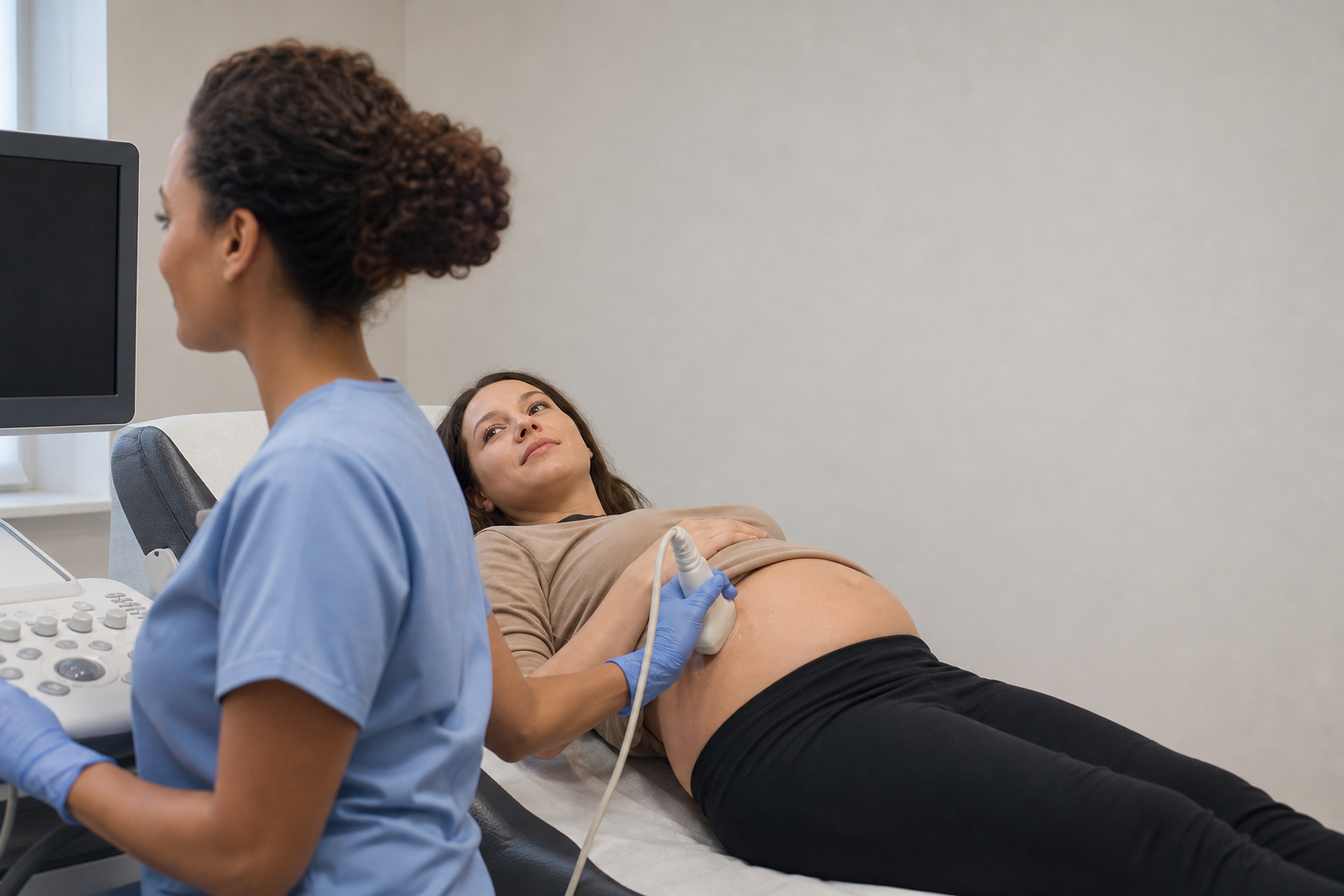
A brain difference showed up in six-week-old infants depending on whether their mothers had received psychotherapy for depression while pregnant, according to research published in Nature Communications and reported by Medscape. The finding is striking, but what it means for a child's development remains an open question.
What the study measured
Researchers enrolled 109 pregnant people with elevated depressive symptoms and randomly assigned them to one of two groups. Fifty-two received brief interpersonal psychotherapy (IPT), a structured form of talk therapy focused on relationships and social functioning, delivered in eight weekly 50-minute sessions. The other 57 received enhanced usual care: continued treatment from their own providers, a one-hour education session about depression, and ongoing monitoring. At roughly six weeks after birth, the team used MRI to measure infant brain volumes.
Infants whose mothers received IPT showed smaller right hippocampal volumes at six weeks compared with those in the standard care group. The hippocampus is a region involved in learning, memory, and emotional regulation. The difference was statistically meaningful (P = .002; Cohen's d = 0.62; 95% CI, 0.23-1.00, as reported by Medscape), which in plain terms means it was unlikely to be a chance result and was moderate in size. No significant differences appeared in the left hippocampus or in either amygdala, the brain structures involved in processing emotions.
The study also looked at infant behavior at six months. Larger hippocampal volumes, in both groups combined, were associated with greater negative emotional responses during behavioral assessments. The association was stronger for the left hippocampus than for the right, according to Nature Communications. Neither amygdala showed a significant link to negative emotions.
What the researchers think it means
"These findings suggest that providing depression support to mom has intergenerational effects," said Elysia Poggi Davis, a professor of psychology at the University of Denver and a co-author of the study, as quoted by Medscape. "We need more research to understand what these early brain differences mean."
One hypothesis the authors raise is that untreated prenatal depression may accelerate certain aspects of early brain development, and that treating the depression changes that pattern. Catherine Monk, chief of the Division of Women's Mental Health in the Department of Obstetrics and Gynecology at Columbia University Irving Medical Center, who was not involved in the study, told Medscape that her own team's work and others' support the idea that prenatal depression is linked to faster development of connectivity between infant brain regions. From an evolutionary standpoint, she suggested, accelerated early development may be an adaptation to prepare an infant for a stressful environment.
But the study did not measure the rate of brain development, and a single MRI scan at six weeks cannot show how these differences evolve as children grow.
What it does not establish
The study cannot determine whether a smaller right hippocampal volume at six weeks is a good or bad outcome. The link between hippocampal volume and negative emotionality runs in the opposite direction from what the therapy-versus-control comparison shows: larger volumes were associated with more negative emotion, while the therapy group had smaller volumes. The authors do not resolve this, and the report notes they are continuing to follow the children.
Catherine H. Demers, an assistant professor of psychiatry at the University of Colorado Anschutz and a co-author, said in Medscape that longitudinal research tracking the same children over time is needed before smaller hippocampal volume can be interpreted. The current data cannot show whether the observed differences persist, disappear, or translate into any measurable difference in mental health or cognition.
The random assignment of participants is a genuine strength here: most research on how pregnancy experiences shape child development relies on statistical associations, which cannot rule out other explanations. Random assignment, as Monk noted to Medscape, offers a stronger basis for investigating whether an intervention influences the next generation. Even so, 109 participants is a small sample, and the Medscape report represents the first 4,455 characters of a longer article, meaning any additional limitations or corrections in the full text are not available here.
For any pregnant person weighing treatment for depression, the decision involves individual circumstances that belong in a conversation with a clinician, not a general conclusion drawn from this study.
Life & Health Today provides information for educational purposes only, not medical advice, diagnosis, or treatment. Always consult a qualified healthcare professional.