Longevity
Walking while thinking may flag early cognitive decline, 22-year review finds
By John Hyland, . Life and Health Today.
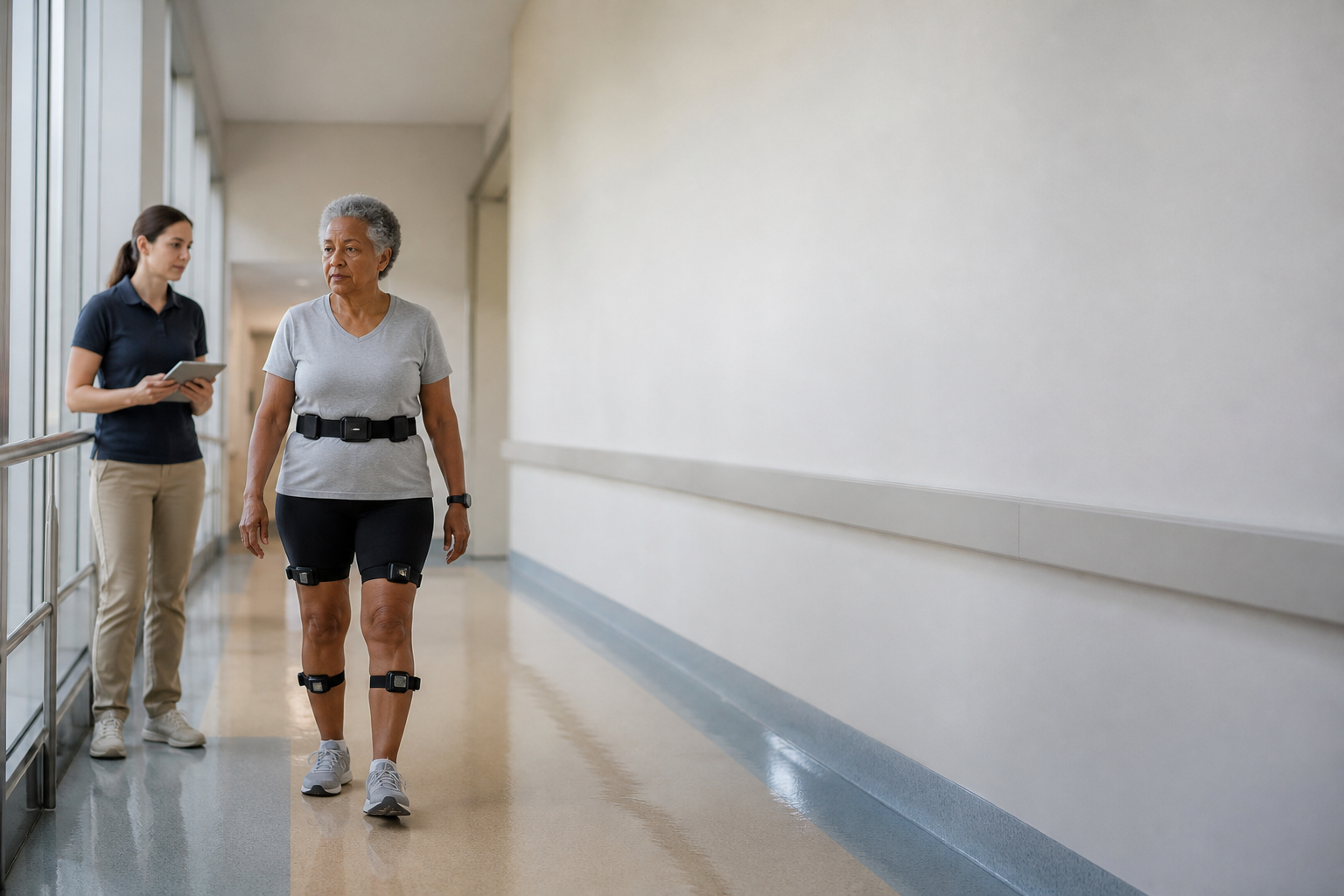
Researchers have mapped 22 years of science on dual-task testing, the practice of asking a person to perform a physical and a mental task simultaneously, and concluded that the field is moving toward a potential early-warning system for cognitive decline, though standardised protocols and prospective validation are still needed before it can be used in clinical practice. The findings were published in GeroScience.
The analysis covered 1,347 articles drawn from the Web of Science Core Collection between January 2003 and February 2026, examined using a software tool called CiteSpace to map co-citation patterns, keyword trends and how research groups around the world have worked together. That is a bibliometric study, meaning it analyses the body of published research rather than running new experiments on patients.
According to GeroScience, the field moved through three broad phases. From 2003 to 2012, researchers focused mainly on how walking changed when a person was also asked to count backwards or name words, a behavioural approach. Between 2013 and 2018, neuroimaging entered the picture, with studies using brain scans to look at what was happening inside the skull during those combined tasks. From 2019 onward, the emphasis shifted toward artificial intelligence, virtual reality environments and wearable sensors that can capture movement and brain activity together in settings closer to everyday life.
The concept at the centre of this work is something the researchers call dual-task cost: the measurable drop in walking speed, balance or cognitive performance that occurs when a person tries to do both things at once. GeroScience describes this as a potential candidate digital biomarker, meaning a measurable signal that might indicate underlying changes in the brain, associated with neural alterations and cognitive decline. A biomarker is a measurable indicator of a biological state; calling it a candidate means it has not yet been validated for clinical use.
The review also examined dual-task training, where people practise doing two things simultaneously as an intervention. GeroScience reported that dual-task training showed potential for better functional outcomes and lower fall risk, while also noting that the degree of benefit varied considerably between individuals, a finding the authors said argues for personalised approaches over any one-size-fits-all protocol.
What this review does not establish is whether dual-task testing can reliably predict who will develop dementia, or whether training on these tasks slows cognitive decline in people who are already at risk. A bibliometric analysis maps where research has been and where it is heading; it does not itself test a treatment or a diagnostic tool in patients. The GeroScience authors were direct: agreed-upon protocols and prospective validation of measures derived from dual-task testing must come before the approach can move into clinical practice.
The open question is whether the field can move from promising signal to validated tool. That would require large, prospective studies, meaning ones that follow people forward in time rather than looking back at existing data, using agreed-upon methods so that results from different research groups can be compared. The GeroScience paper proposes a conceptual framework the authors call an assessment-intervention continuum, but a framework is a starting point for research design, not evidence of clinical benefit.
For anyone who has heard about cognitive testing at longevity clinics or seen wearable devices marketed as brain-health monitors, the honest summary from this body of work is that the science behind dual-task assessment is real and growing, but the tools derived from it are not yet validated for individual clinical decisions. Whether any specific test or training programme is appropriate is a question that belongs with a clinician who knows a person's full history.
Source: https://link.springer.com/article/10.1007/s11357-026-02556-6
Life & Health Today provides information for educational purposes only, not medical advice, diagnosis, or treatment. Always consult a qualified healthcare professional.